
The Architecture of
Modern Immersion.
Digavo applications aren't just built; they are engineered for sustained high performance. We focus on low-latency netcode, adaptive AI, and cross-platform fidelity that scales from flagship smartphones to browser-based environments.
Adaptive Rendering Engine
Our proprietary engine handles high-frame-rate rendering without thermal throttling. By utilizing dynamic resolution scaling and intelligent vertex pruning, we maintain a locked 120 FPS even in particle-heavy combat scenes on mobile hardware.

Behavioral AI
Difficulty tiers are obsolete. Our adaptive AI difficulty system learns from player behavior in real-time, subtly adjusting NPC tactics and resource scarcity to maintain the perfect flow state.
View applicationsGlobal Netcode
Low-latency netcode architecture that prioritizes input prediction. By using a rollback-based synchronization with server-authoritative logic, we ensure competitive integrity even on jittery 4G/5G connections.
- AES-256 Packet Encryption
- Delta-Compression Pipeline
Visual Evidence
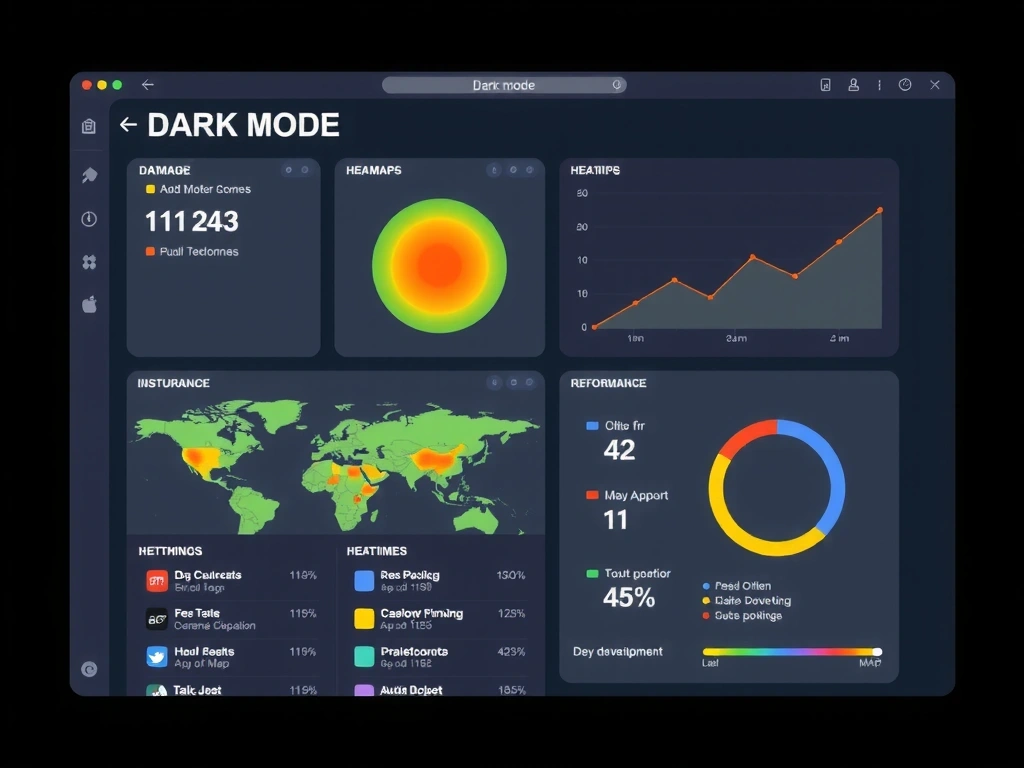
Integrated Analytics & Heatmaps
Engineering Trade-offs & Realities
Building for a global gaming audience means navigating a fragmented hardware landscape. While most engines attempt to offer a "catch-all" solution, Digavo uses a Precision-First Pipeline. This means we consciously prioritize client-side security and input latency over high-fidelity ray tracing in mobile contexts.
Our cross-platform asset pipeline avoids the pitfalls of generic porting. Instead of simple downscaling, the engine executes a context-aware asset swap. On iOS, it leverages Metal APIs directly; on Android, it defaults to optimized Vulkan shaders, ensuring that the visual experience feels native to the platform's specific strengths rather than a compromise.
We focus heavily on obfuscation and integrity. The security layer obfuscates client-side logic and prevents common memory injection attacks, which is critical for competitive or monetized applications where trust is the primary currency.
"The 30-Second Connectivity Test"
Imagine a player entering a subway tunnel mid-session. Standard engines often hang, waiting for a packet that will never arrive, leading to a crash or disconnect. Digavo’s cloud-save synchronization handles conflict resolution by maintaining a local 'state mirror' that reconciles with the server the millisecond connectivity returns, allowing play to continue seamlessly without losing session progress.
Constraints & Boundaries
-
Hardware Assumptions
Requires minimum OpenGL ES 3.0 / Vulkan 1.1 support for full feature activation. Legacy fallback modes available but bypass advanced lighting.
-
Network Boundaries
Optimized for <250ms RTT. Beyond this threshold, input prediction shifts to aggressive smoothing which may affect frame-perfect timing.
-
Security Trade-offs
Client-side obfuscation adds ~3% CPU overhead. We prioritize anti-cheat integrity over this marginal performance cost.
Zero-Load Transitions

Texture Streaming Efficiency
We utilize advanced texture streaming technology that minimizes initial load times by prioritizing visible assets in the camera's immediate frustum. By background-loading high-resolution mipmaps based on player movement vectors, we completely eliminate the need for "Loading..." splash screens in modern open-environment builds.
The Digavo Lexicon
How we define the standards of 2026 development.
Choosing Your Performance Profile
The engine adapts. You decide where to push the hardware.
60 FPS locked, default asset resolution, standard shadows. Optimizes for battery life and device temperature.
120 FPS target, disabled post-processing, prioritized input polling. Sacrifices shading quality for millisecond accuracy.
30/60 FPS, 4K textures, volumetric lighting, bloom. Optimized for visual fidelity over extreme responsiveness.
Ready to integrate these features?
Review our full application catalog to see these technical capabilities in action across various genres and categories.
Digavo Gaming Systems — Harbiye Mahallesi, Istanbul